NAHA PORT AUTHORITY, CRUISE PORT NAHA G.K., MSC CRUISES AND ROYAL CARIBBEAN GROUP BEGIN CONSTRUCTION OF NEW CRUISE TERMINAL AT NAHA PORT, OKINAWA
The new terminal will support the long-term development of tourism in Okinawa, strengthen regional connectivity, and enhance the guest experience.
NAHA, OKINAWA, Japan, Oct. 5, 2026 /PRNewswire/ -- Naha Port Authority, Cruise Port Naha G.K., Royal Caribbean Group and MSC Cruises celebrated the groundbreaking of a new cruise terminal at Naha Port, marking a significant milestone in the continued growth of cruising in Japan and across the East Asia region.
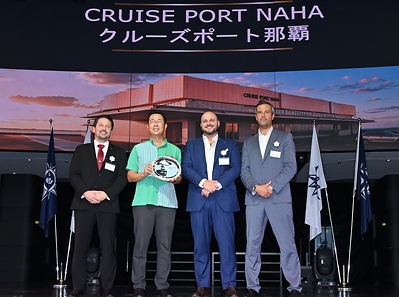
Cruise Port Naha G.K. is a joint venture between CTL Maritime and RCL Cruises Ltd., representing the respective interests of MSC Cruises and Royal Caribbean Group. Under the Cruise Hub Formation Agreement concluded with the Naha Port Authority in August 2026, Cruise Port Naha G.K. will develop and operate the new terminal, with completion and the start of operations targeted for March 2028.
The new terminal will provide modern, purpose-built facilities designed to enhance the guest experience, improve operational efficiency, and support the long-term growth of cruise tourism in Okinawa.
As one of Japan's most strategically located ports, Naha offers year-round accessibility and serves as an ideal gateway for cruise itineraries throughout the region. Once completed, the new terminal will provide enhanced passenger facilities, strengthening the port's ability to accommodate some of the most advanced cruise ships in the world, thereby supporting increased passenger capacity and growing demand for cruise vacations in Asia.
"For Royal Caribbean Group, Japan is one of the most important cruise markets in Asia - not only as a destination, but as a long-term partner in our global business. We do not simply bring guests here, we also invest here and with Naha Okinawa, we are investing in infrastructure that will benefit the local community for years to come," said Jason Liberty, chairman and CEO of Royal Caribbean Group. "The future of cruising in Japan is about shared ambition, collaboration, and responsible innovation, and we are honored to be a part of it."
"Okinawa is uniquely positioned at the crossroads of some of Asia's most exciting cruise destinations, and we see real potential for its future," said Pierfrancesco Vago, Executive Chairman, MSC Group, Cruises Division. "This project forms part of our long-term vision to expand our presence in the region and create new opportunities for guests of MSC Cruises and Explora Journeys to enjoy Asia year-round. As we continue to develop our itineraries and invest in infrastructure, we are making cruising more accessible for both international and Asian travellers while strengthening connections across the region. We are proud to partner with Royal Caribbean Group and the Naha Port Authority in bringing this vision to life, and I thank all those whose commitment, collaboration and shared ambition have made today's milestone possible. Together, we are investing not only in a port, but in the future growth of cruise tourism in Okinawa and across Asia."
The project follows Naha Port's designation by Japan's Ministry of Land, Infrastructure, Transport and Tourism as an International Cruise Ship Hub Formation Port in 2019 and represents an important public-private collaboration to support the long-term development of tourism in Okinawa.
Today's groundbreaking included a traditional Japanese ceremony at the future terminal site, marking the formal start of construction and bringing together several esteemed public officials for the event, including Okinawa Governor Genta Koja and representatives from the Cabinet Office of Japan, alongside representatives from Naha Port Authority, Cruise Port Naha G.K., MSC Cruises and Royal Caribbean Group.
About Royal Caribbean Group
Royal Caribbean Group is a leading global vacation company spanning cruise, one-of-a-kind destinations, and land-based vacation experiences. The company operates 71 ships sailing to more than 1,000 destinations across all seven continents through its three wholly owned brands - Royal Caribbean, Celebrity Cruises, and Silversea - and a 50% joint venture interest in TUI Cruises, which operates the Mein Schiff and Hapag-Lloyd brands.
The Group is expanding its portfolio of private destinations through its Perfect Day and Royal Beach Club collections, and the company will enter river cruising in 2027 with Celebrity River Cruises. Powered by innovative brands, advanced technology, and an industry-leading loyalty program, the company has built a connected vacation ecosystem, turning the vacation of a lifetime into a lifetime of vacations.
Named to the Fortune World's Most Admired Companies 2026 list and to Forbes' 2026 Best American Companies lists, Royal Caribbean Group is guided by its mission to deliver the best vacations responsibly. For more information, visit royalcaribbeangroup.com.
About MSC Cruises
Headquartered in Geneva, Switzerland, the privately-owned MSC Cruises is the world's third largest cruise line and the market leader in Europe with a strong and growing presence in North America. A global cruise brand with 23 modern ships offering cruises across five continents, guests can visit more than 100 countries worldwide with more than 300 destinations, making unforgettable memories and enjoying the finest hospitality. For more information visit MSC Cruises.

 View original content to download multimedia:https://www.prnewswire.co.uk/news-releases/naha-port-authority-cruise-port-naha-gk-msc-cruises-and-royal-caribbean-group-begin-construction-of-new-cruise-terminal-at-naha-port-okinawa-302898560.html